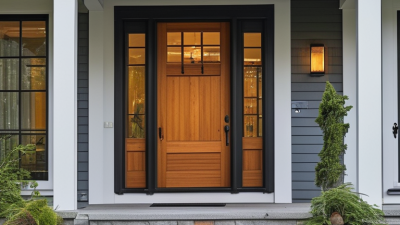
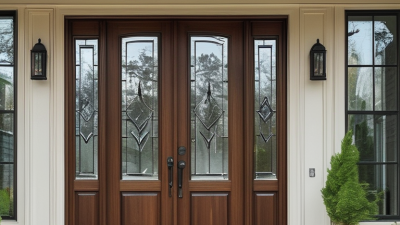
Top 10 Exterior Front Door Ideas for Curb Appeal?
A welcoming entrance can change how an entire home feels from the street. This guide, “Top 10 Exterior Front Door Ideas for Curb Appeal,” explores practical designs that improve character, proportion, and daily use. An exterior front door is not merely a decorative panel. It must handle sunlight, rain, temperature changes, security needs, and repeated opening.
Architect Sarah Susanka describes the front door as “the handshake of the house.” That simple comparison matters. A painted blue door can feel calm, while warm wood may add richness beside brick or stone. Glass panels can brighten a dark hallway, but they may reduce privacy without textured or frosted glazing. Sidelights can make a narrow entry feel wider. Black hardware can sharpen a pale façade, although it may become hot in strong sunlight.
Details matter.
The ideas ahead consider real installation choices, including weather-resistant finishes, threshold drainage, insulation, hinge strength, and accessible clearances. They also connect color and material decisions with the architecture already present. A bold door does not always create better curb appeal. Sometimes it competes with the roofline, porch, or landscaping.
That is where this topic becomes less certain. Online images often make dramatic designs appear effortless. In practice, paint can fade, wood can swell, and oversized hardware can feel awkward. A thoughtful homeowner should test samples outdoors and observe them in morning and evening light. The best exterior front door may not be the most fashionable option. It may simply be the one that welcomes visitors, withstands local weather, and still looks right years later.
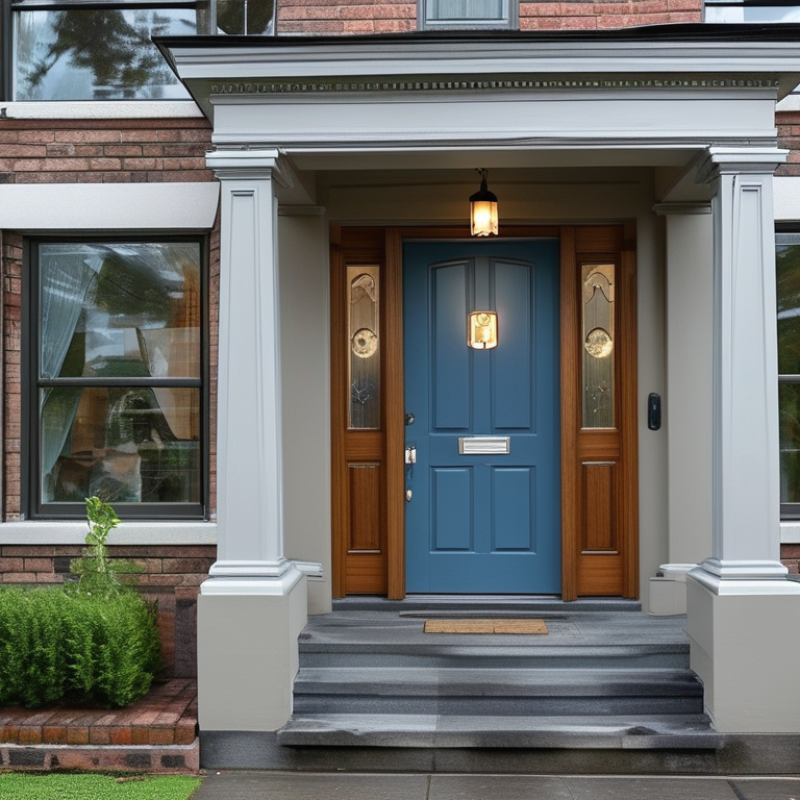
Define Curb Appeal Through Style, Scale, Color, and Entryway Proportion
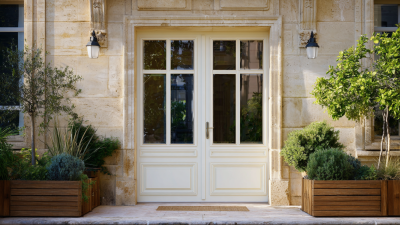
A front door can define curb appeal before anyone notices the roof. The strongest designs balance style, scale, color, and entryway proportion. Measure the facade first. A narrow door can look lost beneath a wide porch. A large door can overwhelm a compact cottage. Proportion matters more than decoration.
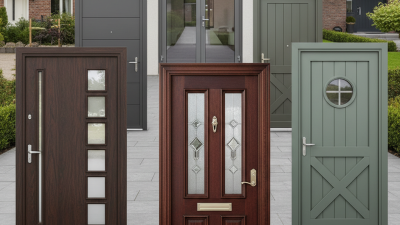
Consider ten practical ideas: a bold painted door, natural wood grain, slim sidelights, a shallow canopy, warm entry lighting, durable hardware, clear house numbers, layered planters, a defined walkway, and a textured surround.
Each feature should support the architecture. Deep colors create focus, while pale shades can make a small entrance feel more open. Test paint samples outdoors. Sunlight changes color dramatically.
Lighting should reveal the threshold without creating glare. Place fixtures near eye level, and keep the path evenly visible. Choose planters that echo the doorway’s width. Oversized pots often make a modest entrance feel cramped.
I have learned that symmetry looks polished, but slight asymmetry can feel more welcoming. It can also look accidental. That is the risk.
Check the door swing, drainage, weather exposure, and clearance before choosing materials. A beautiful threshold becomes frustrating when rain pools beside it. Use finishes suited to local conditions, and inspect them each season.
Small details matter: clean glass, straight hardware, and readable numbers build trust. The best entryway does not simply attract attention. It tells visitors where to stand, pause, and enter.
Rank 10 Door Concepts Using NAR’s Cost-vs.-Value Remodeling Data
Top 10 Exterior Front Door Ideas for Curb Appeal
Ranked through NAR’s cost-vs.-value findings, a steel entry door deserves first place. NAR’s Remodeling Impact Report shows strong cost recovery for this upgrade. The remaining ideas combine resale logic, durability, and visible curb appeal.
1. Steel door with glass panel.
2. Fiberglass door with wood-grain texture.
3. Solid painted wood door.
4. Double door with narrow sidelights.
5. Arched-top door.
6. Deep-colored door with simple hardware.
7. Frosted-glass modern door.
8. Craftsman-style door with divided panes.
9. Door with matching transom window.
10. Refinished existing wood door.
The first two concepts align most closely with NAR’s measured replacement data. The others are practical design extensions, not guaranteed value rankings. Regional labor costs, climate, and neighborhood expectations can change the return. A dark door may photograph well, yet fade faster on a sunny elevation. That detail is easy to miss. A carefully repaired door may also outperform an expensive replacement when the frame remains sound.
Tips:
Measure the opening before choosing a style. Inspect hinges, weatherstripping, and threshold condition. Use durable exterior paint and sealed wood. Keep glass placement private and practical. Match the door’s scale to the porch. Overdecorating can weaken the entrance. Check local sales data with a qualified real estate professional before spending heavily.
Compare Steel, Fiberglass, Wood, Glass, Hardware, and Lighting Options
Top 10 Exterior Front Door Ideas for Curb Appeal
A front door changes how a home feels from the street. Steel offers strong security, clean lines, and dependable performance in severe weather. However, it can dent, and damaged coatings may invite rust. Fiberglass resists moisture and usually needs less maintenance. Its molded wood texture can look convincing, though cheaper finishes sometimes appear artificial up close.
Wood
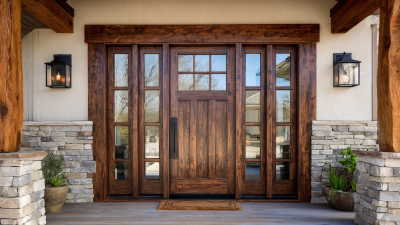
brings warmth, depth, and a welcoming entrance. Choose sealed hardwood, inspect the bottom edge, and refresh the finish regularly. I once ignored that lower edge, and rain damage appeared sooner than expected.
Glass panels
add daylight and visual openness. Frosted or textured glass protects privacy, but large clear panels may feel exposed at night. Energy-efficient glazing also helps control indoor temperatures.
Hardware
creates the tactile detail people notice. A sturdy lever, matching knocker, and durable hinges should suit the door’s weight and local climate. Matte finishes hide fingerprints better than polished surfaces.
Lighting
is equally important. Wall lanterns can frame the doorway, while low pathway lights guide visitors safely. Warm white light usually feels inviting; overly bright light can make a small porch harsh.
Consider ten coordinated ideas: steel, fiberglass, wood, glass, mixed materials, bold color, oversized hardware, smart-free entry design, layered lighting, and seasonal planters. I would test samples outdoors before deciding. Colors often look different beside brick, stone, or evening shadows.
Score Each Idea by ROI, Maintenance, Installation Cost, and Climate Fit
Top 10 Exterior Front Door Ideas for Curb Appeal
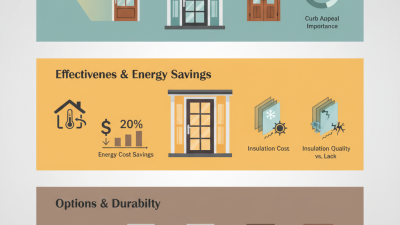
A practical scorecard. Scores run from 1 to 5, with higher numbers indicating better performance. The 2024 Cost vs. Value Report estimated 188.1% cost recovery for steel entry door replacement. The 2022 Remodeling Impact Report estimated about 100% recovery, showing why local pricing matters.
Steel offers ROI 5/5, maintenance 4/5, installation cost 4/5, and climate fit 4/5. Fiberglass scores 4/5, 5/5, 3/5, and 5/5. Painted wood scores 3/5, 2/5, 3/5, and 3/5. Natural wood scores 3/5, 1/5, 2/5, and 3/5. A bold color on a standard slab scores 4/5, 5/5, 5/5, and 5/5. Small upgrades can outperform expensive ones.
Glass-panel doors score 3/5, 3/5, 3/5, and 3/5. Choose insulated, low-emissivity glass in hot or cold regions. A transom window scores 3/5, 4/5, 3/5, and 4/5, but poor sealing wastes the visual benefit. Sidelights score 3/5, 3/5, 2/5, and 3/5. Double doors score 2/5, 3/5, 1/5, and 3/5. A Craftsman-style panel scores 4/5, 4/5, 4/5, and 4/5. The U.S. Department of Energy emphasizes weatherstripping and correctly installed glazing for reducing air leakage. Details matter. In coastal areas, exposed steel may corrode faster; in wet climates, wood demands frequent inspection. My imperfect rule: never trust a beautiful door with a weak threshold.
Top 10 Exterior Front Door Ideas for Curb Appeal
Scores from 1–10 based on typical residential projects in mixed U.S. climates
Higher scores indicate stronger resale appeal, lower maintenance, lower installation cost, or broader climate suitability. The installation-cost score is reversed, so a higher score means a more budget-friendly project. Painted fiberglass, modern steel, and bold-color upgrades offer the strongest overall balance of return, durability, and affordability.