How to Choose the Best Outside Doors for Your Home?
Choosing the right outside doors for your home can be a daunting task. Experts emphasize the importance of this decision. According to architectural designer Sarah Thompson, “Your outside doors set the tone for your entire home.” This statement underscores the significant role outside doors play in your home’s aesthetic and security.
The market offers a myriad of options, making it essential to focus on quality and style. When selecting outside doors, consider materials like fiberglass or wood. These can enhance your home’s appeal while providing durability. A well-chosen door not only boosts curb appeal but also improves energy efficiency.
However, it’s crucial to evaluate your needs thoroughly. Some may prioritize security over style, while others may seek a balance between both. This reflection can help you avoid common pitfalls, such as choosing a door solely based on price or appearance. Your choice should reflect both functionality and the unique character of your home.
Understanding Your Home’s Architectural Style
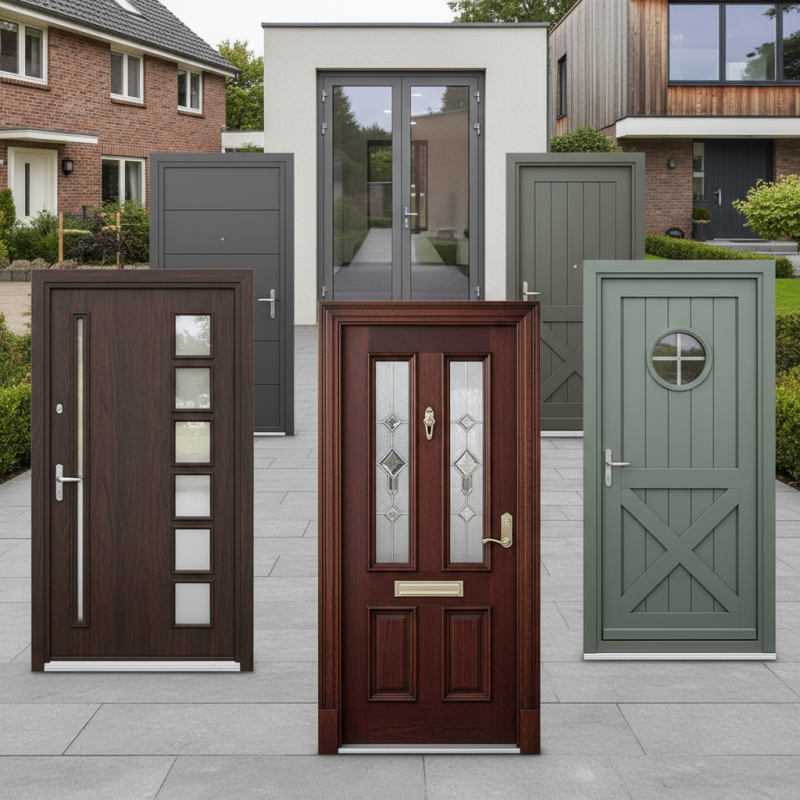
Choosing the right outside doors requires a keen understanding of your home's architectural style. This aspect greatly influences not just aesthetics but also functionality. According to a 2022 report by the American Institute of Architects, nearly 70% of homeowners prioritize style when selecting exterior doors. A door should complement your home’s existing design elements.
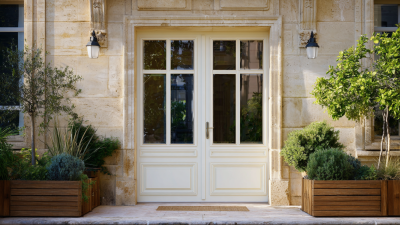
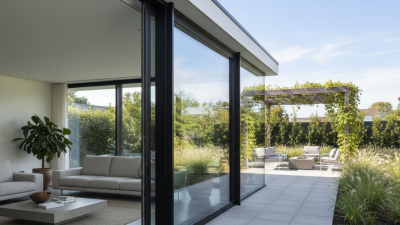
Traditional homes often favor classic wooden doors with intricate carvings. These doors exude warmth and character. In contrast, modern architectural styles lean toward sleek, minimalist designs, often using glass and metal. Interestingly, a 2023 survey indicated that 45% of buyers value energy efficiency in their door choices. This statistic underscores how style and practicality can coexist.
However, some homeowners struggle to balance aesthetics with current design trends. An ornate door may clash with a minimalist architecture. Similarly, a quintessential modern door might look out of place on a Victorian-styled home. Reflecting on personal preferences is essential, yet it's crucial to consider how your door choice defines your home's overall appearance and energy efficiency.
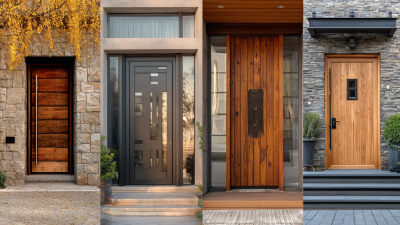
Best Outdoor Door Types for Various Architectural Styles
Evaluating Energy Efficiency and Insulation Properties
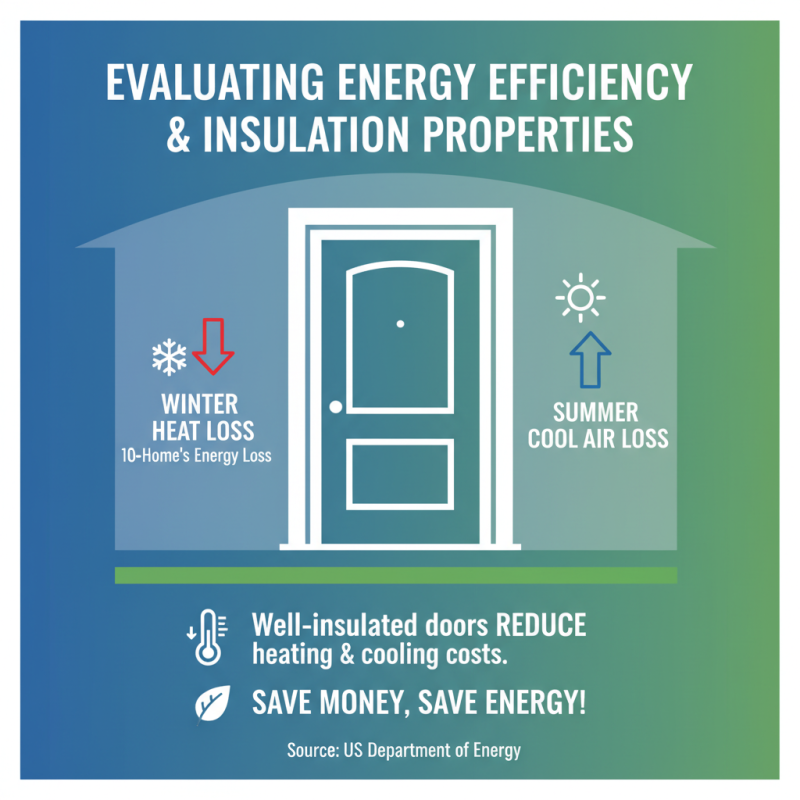
When selecting outside doors, energy efficiency and insulation properties are paramount. According to the U.S. Department of Energy, doors account for about 10-15% of a home's energy loss. A well-insulated door can significantly reduce heating and cooling costs over time.
Look for doors with an R-value, which measures thermal resistance. A higher R-value means better insulation. For instance, a fiberglass door can have an R-value ranging from 5 to 7, whereas steel doors typically offer an R-value of 3 to 5. These values make a considerable difference in maintaining a comfortable indoor temperature.
Additionally, consider the door's frame and weatherstripping. A solid wood frame will provide more insulation than aluminum. Weatherstripping gaps can slant the door's efficiency. This often overlooked area can lead to drafts. Regular inspections can help identify these issues. Investing time in these evaluations can enhance both comfort and savings.
Choosing the Right Material for Durability and Aesthetics
When selecting outside doors for your home, the material plays a crucial role in both durability and aesthetics. According to the National Association of Home Builders, fiberglass doors can last up to three times longer than wood doors. They effectively resist warping and cracking, making them a popular choice. Steel doors, while sturdy, may dent and rust if improperly maintained. Understanding these properties can guide you to make an informed decision tailored to your environment.
Tip: Consider the climate in your area. For humid regions, fiberglass is a better choice. It withstands moisture without degrading. Wooden doors, while beautiful, require regular maintenance and may not be ideal for all homeowners.
Balancing aesthetics with functionality is vital. Aesthetics impact your home's first impression. A well-chosen door can enhance your facade. Metal doors can offer a sleek look but might feel cold. On the other hand, traditional wood doors provide warmth but may need additional treatment to protect against the elements.
Tip: Look for insulated doors. They improve energy efficiency, saving you money in the long run. Energy Star reports that insulated doors can reduce energy bills by up to 30%. Each option has its pros and cons. Reflecting on your priorities will lead to the best choice.
Selecting the Appropriate Security Features and Locks
When selecting outside doors, security features and locks are paramount. The National Crime Prevention Association reports that roughly 34% of burglars enter through the front door. This statistic highlights the importance of choosing robust security options. Start with a solid core door. A door made from fiberglass or steel is tougher than wood.
Consider the lock systems as well. Deadbolt locks are more effective than standard spring bolt locks. According to the Electronic Security Association, homes with state-of-the-art locking systems see a 30% decrease in break-ins. Pick locks with a Grade 1 rating from ANSI. They offer the highest level of security.
Look into smart locks too. They can provide added convenience and safety. These locks often come with features like alerts and remote access. However, be aware that the technology is evolving. Some smart locks might be vulnerable to hacking. Always stay updated on their security features. Investing in the right locks is crucial for protecting your home. An informed decision can greatly enhance your safety.
How to Choose the Best Outside Doors for Your Home? - Selecting the Appropriate Security Features and Locks
| Feature |
Options |
Considerations |
| Material |
Wood, Steel, Fiberglass, Vinyl |
Durability, insulation, maintenance |
| Design |
Panel, Flush, Dutch, French |
Aesthetic appeal, functionality |
| Security Features |
Deadbolts, Smart locks, Reinforced frames |
Entry points, threat level in area |
| Energy Efficiency |
Insulated, Weatherstripping |
Energy costs, climate |
| Cost |
Low-end, Mid-range, High-end |
Budget, long-term investment |
Exploring Design Options and Customization Possibilities
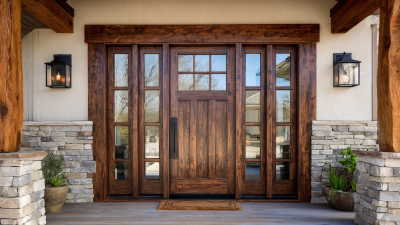
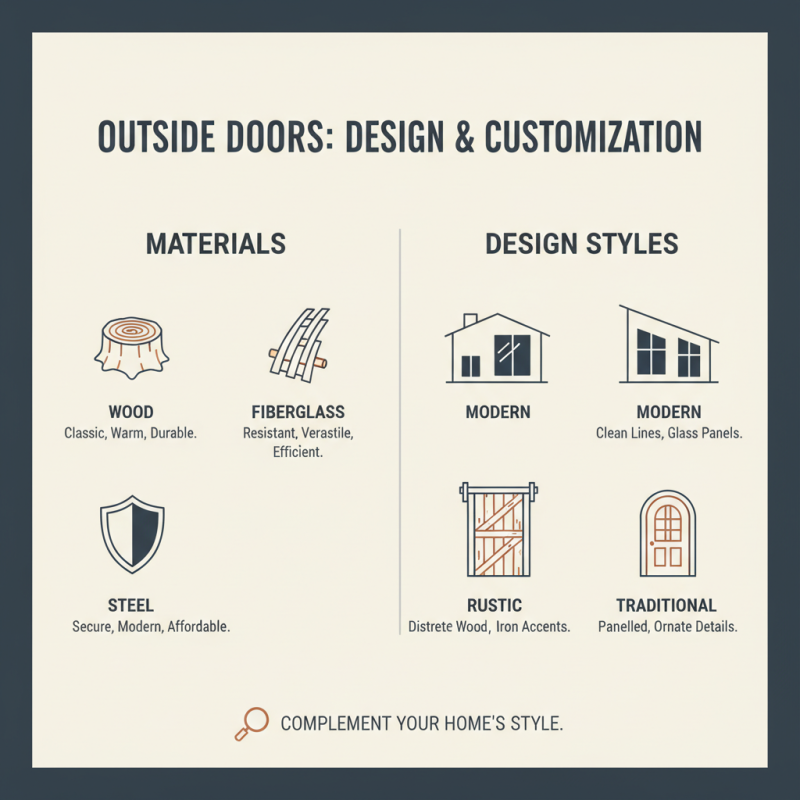
When selecting outside doors for your home, the design options can be overwhelming. You have a multitude of materials to consider, from wood to fiberglass. Each material offers different aesthetics and durability. Think about how each option complements your home's overall style. Are you looking for a modern or rustic appeal?
Customization is another critical aspect. Many manufacturers allow you to adjust size, color, and even hardware options. A unique color can make your door stand out, while specific details like glass inserts can add elegance. However, customization can also lead to indecision. Balancing your preferences with your home's architectural character is essential.
Beyond aesthetics, consider functionality. Doors should be energy-efficient and secure. Look for features that improve insulation while offering protection. It’s also vital to think about your local climate. An elegant door can lose its charm if it doesn’t withstand seasonal changes. Reflect on durability and maintenance. Will your choice stand the test of time? These considerations can significantly impact your home's exterior.