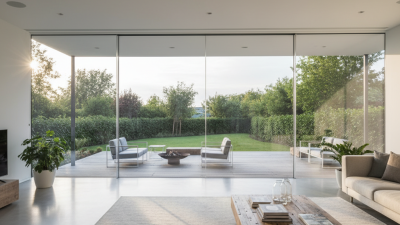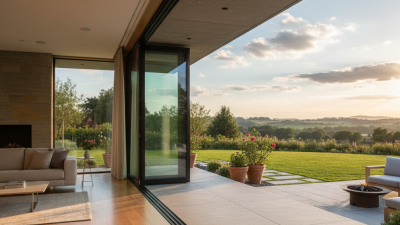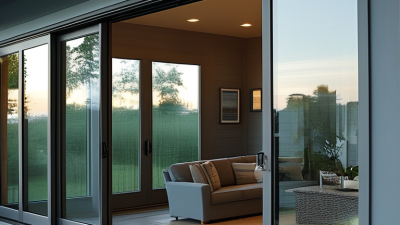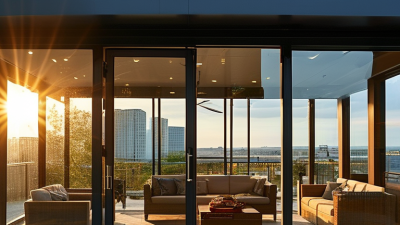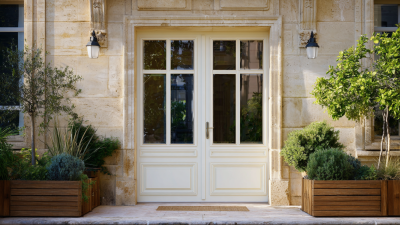
Patio windows have become a visible feature in homes, apartments, and hospitality projects worldwide. Their appeal is practical, not merely decorative. Large glazed panels connect living rooms with balconies, gardens, and terraces. A sliding panel can open a narrow passage while preserving valuable floor space. Morning light reaches deeper into the room. Outdoor views also make compact interiors feel less confined.
Energy performance strengthens this appeal. The U.S. Department of Energy reports that windows can account for roughly 25% to 30% of residential heating and cooling energy use. This makes glass selection, frame quality, and professional installation important purchasing decisions. Modern patio windows may include low-emissivity coatings, insulated glazing, thermal breaks, and improved weather seals. These features can reduce heat transfer and indoor drafts. However, performance depends on climate and installation quality. A product that works well in Toronto may need different specifications in Dubai or Singapore.
Industry research also supports broader demand for better residential comfort. Reports from Grand View Research and Fortune Business Insights identify energy efficiency, renovation activity, and urban housing development as major drivers in the global windows and doors market. The National Association of Home Builders similarly highlights natural light, outdoor access, and efficient home features in buyer preferences. Still, popularity does not guarantee suitability. A coastal buyer may prioritize corrosion resistance, while a family in a cold region may focus on airtightness and triple glazing. Patio windows are not a universal answer. Their real value appears when design, climate, safety, and long-term maintenance are considered together.
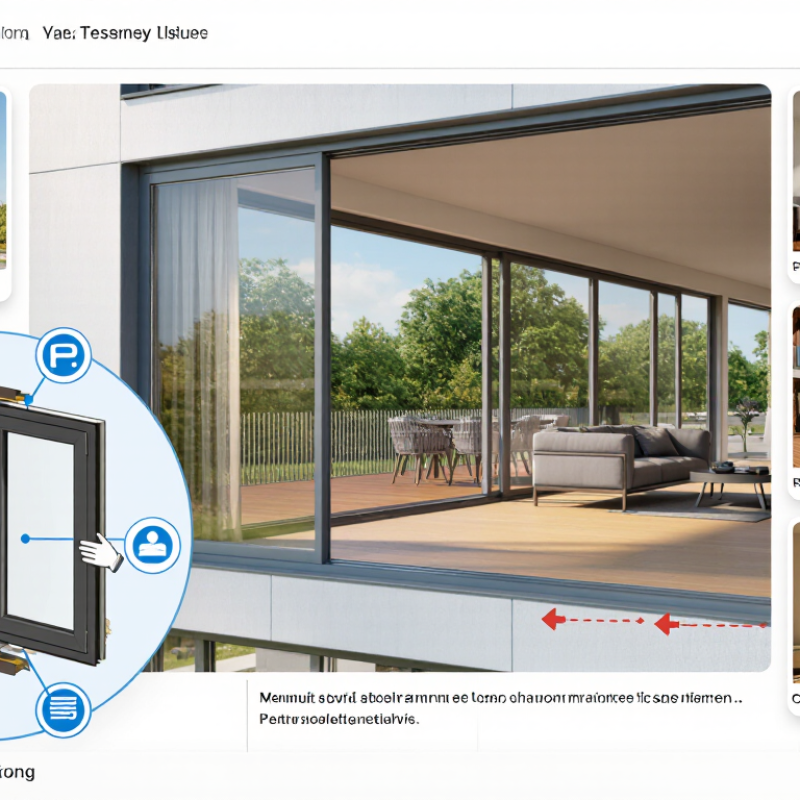
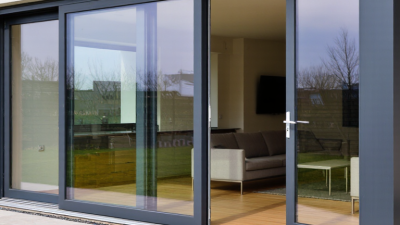
Patio windows are large glazed openings that connect an indoor room with a patio, balcony, or garden. They often look like windows, but many operate like doors. A typical unit has one fixed panel and one movable panel. The movable section slides along a horizontal track, folds beside another panel, or swings outward on hinges.
Their operation is simple but carefully engineered. Sliding patio windows use rollers beneath the moving panel. When the handle turns, the lock pulls the panel tightly against the frame. Rubber seals reduce drafts, rain, and outdoor noise. Some systems include multiple locking points for improved security. Large glass areas also bring daylight deeper into a room, while low-emissivity glass can help control heat gain and heat loss.
Installation quality matters more than many buyers expect. The opening must be level, because a small slope can make sliding difficult. Drainage channels must remain clear after heavy rain. In practical inspections, I would check the rollers, frame joints, handle movement, and seal compression. Yet no patio window performs perfectly in every climate. Coastal air can accelerate corrosion, and strong sunlight may reveal weak shading choices. Careful measurement, suitable glazing, and regular track cleaning usually prevent these problems before they become expensive.
| Data Dimension | What Patio Windows Are and How They Work | Why the Feature Matters to Global Buyers |
|---|---|---|
| Basic Definition | A patio window is a large glazed opening that connects an indoor room with a patio, terrace, balcony, garden, or other outdoor area. It commonly uses one or more movable sashes or panels. | It combines the functions of a window and an access door, making it suitable for homes, apartments, extensions, and hospitality spaces. |
| Sliding Operation | Sliding panels move horizontally along tracks. The operating panel usually travels behind or in front of a fixed panel rather than swinging into the room. | Sliding systems save interior floor space and are practical where furniture, narrow walkways, or limited room depth make hinged doors inconvenient. |
| Folding Operation | Folding systems use several connected panels fitted with hinges and rollers. The panels stack to one or both sides when opened. | They can create a wider opening than a standard sliding arrangement, which is useful for entertaining areas and warm-climate indoor-outdoor layouts. |
| Tilt-and-Slide Operation | The sash first tilts inward for controlled ventilation and then slides horizontally when the handle is moved to the opening position. | This configuration offers ventilation with improved control over airflow, privacy, and weather exposure compared with leaving a large opening fully open. |
| Common Frame Materials | Common frame materials include uPVC, aluminium, timber, and composite constructions. Each material differs in thermal performance, structural strength, appearance, and maintenance requirements. | Material selection can be matched to local climate, building style, expected service life, maintenance preferences, and project budget. |
| Typical Glazing | Double glazing consists of two panes separated by a sealed insulating cavity. Triple glazing adds a third pane and another cavity. Low-emissivity coatings can reduce radiant heat transfer. | The glazing specification influences indoor comfort, condensation control, outside noise reduction, and heating or cooling demand. |
| Insulating Gas | Sealed insulating glass units may use air or inert gases such as argon between the panes. The cavity and edge-seal design help limit heat transfer. | The gas fill is one part of the complete glazing system and should be considered together with frame design, installation quality, and overall thermal ratings. |
| Thermal Performance | Heat flow is commonly assessed through U-value or U-factor; lower values generally indicate better insulation. The final result depends on the frame, glass, spacer, and installation. | Buyers in cold, hot, or mixed climates can compare products using consistent local or project-specific energy-performance standards. |
| Solar Control | Tinted glass, low-emissivity coatings, external shading, internal blinds, and overhangs can reduce unwanted solar heat gain and glare. | Solar-control choices are especially important for large south-, west-, or equator-facing openings and can help maintain comfort during periods of strong sunlight. |
| Weather Sealing | Gaskets, compression seals, interlocks, drainage channels, and properly fitted thresholds help limit air leakage and water penetration. Sliding tracks normally require clear drainage paths. | Effective sealing supports performance in rainy, windy, coastal, and seasonal climates, but installation and routine track maintenance remain essential. |
| Safety and Security | Relevant features may include laminated or tempered safety glass, multi-point locking, anti-lift devices, restrictors, and impact-resistant construction where required by local regulations. | The correct safety specification depends on location, opening size, building use, ground-floor exposure, wind conditions, and applicable building codes. |
| Accessibility | Low or flush thresholds can reduce the step between indoor and outdoor surfaces. Threshold details must still provide adequate drainage and meet local accessibility requirements. | Accessible thresholds benefit older occupants, wheelchair users, families, and properties designed for long-term adaptability. |
| Ventilation | Ventilation can be provided through tilt openings, partially opened sliding panels, trickle vents, or separate opening sections, depending on the system design. | Controlled ventilation supports indoor air quality while allowing occupants to manage drafts, insects, rain exposure, and security. |
| Natural Light and View | Large glass areas admit more daylight and provide a wider visual connection to outdoor spaces than many conventional wall openings. | Daylight and outdoor views can make rooms feel larger and brighter, particularly in living rooms, dining areas, bedrooms, and shared spaces. |
| Space Efficiency | Sliding and tilt-and-slide panels generally operate within the opening footprint, while folding panels stack at the side. Hinged alternatives require a swing arc. | Space-efficient operation is valuable in compact apartments, urban renovations, balconies, and rooms where circulation must remain unobstructed. |
| Cleaning and Maintenance | Routine care typically includes cleaning glass, removing debris from tracks and drainage channels, checking seals, and following the hardware manufacturer's maintenance guidance. | Simple maintenance helps preserve smooth operation, weather resistance, appearance, and the expected service life of the installation. |
| Installation Factors | The opening must be correctly measured and prepared. Level thresholds, adequate structural support, compatible flashing, and correct perimeter sealing are critical. | A high-performing product can underperform if the opening is out of square, the threshold is poorly drained, or the perimeter is not sealed correctly. |
| Climate Suitability | Cold climates prioritize insulation and airtightness; hot climates often prioritize solar control and ventilation; coastal or storm-prone areas may require corrosion resistance and higher weather-performance ratings. | Selecting specifications according to local climate is more reliable than choosing a patio window based on appearance alone. |
| Design Flexibility | Patio windows are available in different panel arrangements, opening directions, frame finishes, glazing options, threshold types, and grille or blind configurations. | The range of configurations allows the same basic concept to suit modern, traditional, compact, accessible, and large-opening architectural designs. |
| Key Selection Check | Before purchase, compare the whole-system thermal and weather ratings, glass safety classification, hardware capacity, threshold design, drainage, local code compliance, and installation requirements. | Evaluating the complete window system helps global buyers avoid performance gaps caused by focusing on frame material, glass type, or visual style alone. |
Note: Performance requirements, safety classifications, accessibility rules, and energy-rating methods vary by country and project. Always verify the applicable local building regulations and installation standards.