How to Choose Sliding Glass Patio Doors for Your Home?
When selecting sliding glass patio doors for your home, it's essential to consider both aesthetics and functionality. Renowned expert in home design, John Smith, states, "The right patio doors can transform your space and enhance your lifestyle." This quote underscores the significance of making an informed choice.
Sliding glass patio doors bring light and openness to any area. They seamlessly blend indoor and outdoor living. However, choosing the right style, size, and material can be daunting. Consider the climate and location of your home. Durability and energy efficiency are key factors. Often, people overlook the importance of installation. A poor fit can lead to leaks and energy loss.
Ultimately, sliding glass patio doors are more than just a feature. They are an investment in your home's functionality and beauty. Reflect on what you truly need. Sometimes, the best choice might not be the obvious one. Take time to explore and evaluate your options before making a decision.
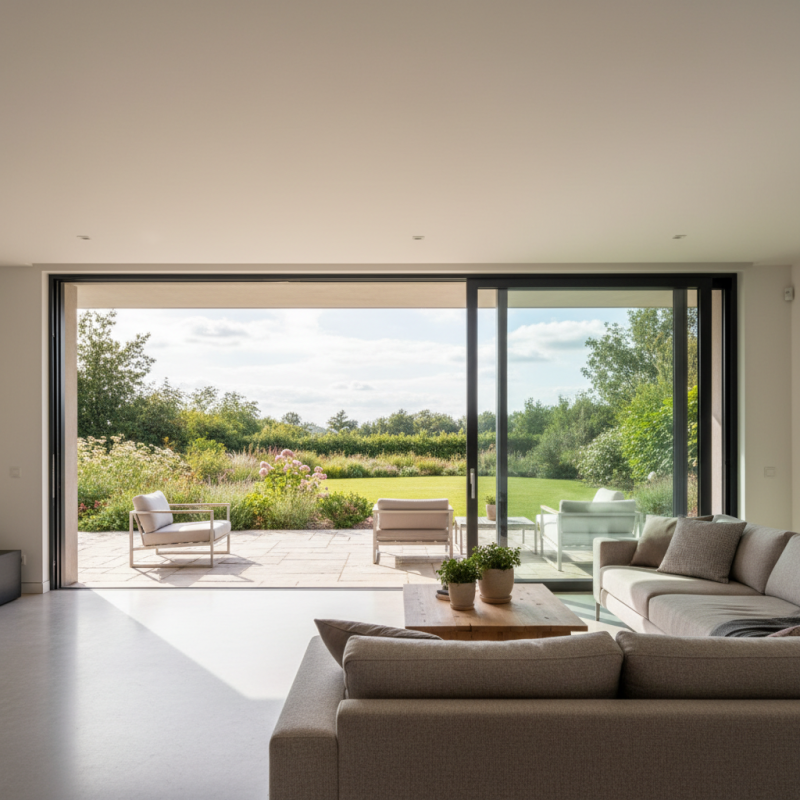
Choosing Sliding Glass Patio Doors: Key Design Considerations
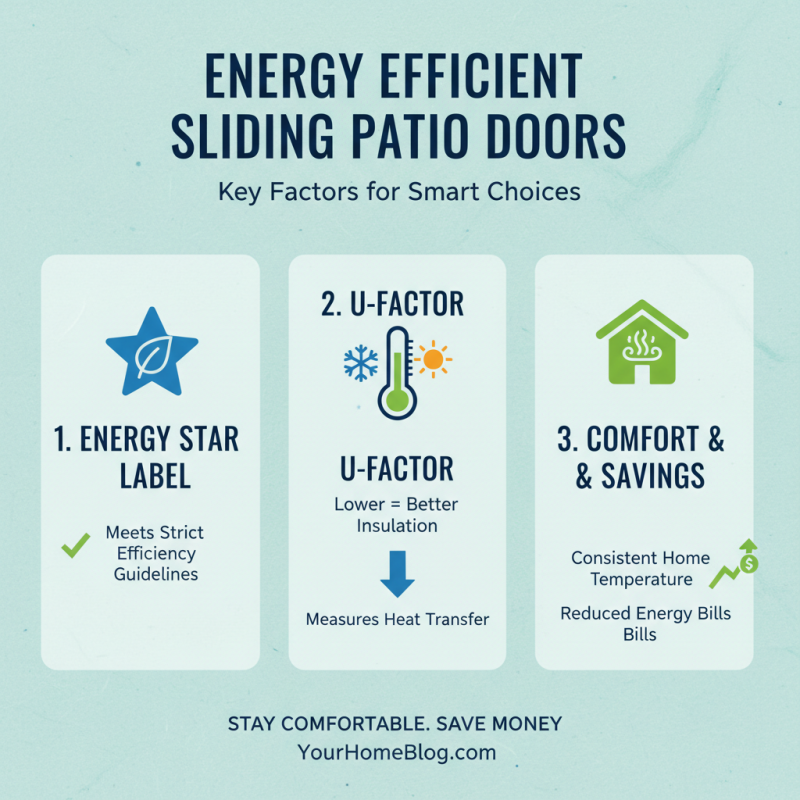
Choosing sliding glass patio doors involves several key design considerations. One important aspect is energy efficiency. According to the U.S. Department of Energy, approximately 30% of heating and cooling energy usage can be attributed to windows and doors. Selecting doors with double or triple glazing can enhance thermal performance. Look for energy-efficient ratings when making your choice.
Another critical factor is security. A survey by the Bureau of Justice Statistics states that nearly 30% of burglars enter through unlocked doors or windows. Choosing sliding doors with reinforced frames and multi-point locking systems can provide peace of mind. Consider adding security film to the glass for extra protection.
**Tips:** When selecting colors and finishes, ensure they complement your home’s exterior. A cohesive look boosts curb appeal. Pay attention to the door’s hardware; it should be durable and easy to use.
Another area to reflect on is maintenance. Some sliding doors require regular cleaning to maintain clarity and aesthetics. Heavy rainfall can lead to dirt accumulation in track systems. Regularly check for debris to prevent operational issues. Balancing beauty and functionality is key when choosing the best sliding glass patio doors for your home.
Sliding Glass Patio Doors Design Features Comparison
Material Comparison: Vinyl, Wood, and Aluminum Sliding Glass Doors
When selecting sliding glass patio doors, the material can significantly impact your decision. Vinyl doors are often favored for their affordability and energy efficiency. In fact, the U.S. Department of Energy suggests that vinyl can provide up to 30% more energy savings compared to wood. This is crucial for homeowners looking to reduce energy bills. However, some perceive vinyl as less aesthetically pleasing.
Wood offers a classic and warm appearance that many homeowners love. It provides excellent insulation, which can be an advantage in climates with extreme temperatures. A study by the American Wood Council states that properly maintained wood doors can last over 30 years. Yet, wood requires regular upkeep, including painting or staining. Many find this maintenance daunting and a potential drawback.
Aluminum doors are known for their sleek designs and durability. They resist the elements well and are less likely to warp or crack. A report by industry experts reveals that aluminum doors can last upwards of 40 years. However, they often transfer heat more than wood or vinyl, leading to potential increased cooling costs in warm climates. This reflects a vital consideration for energy-conscious homeowners.
How to Choose Sliding Glass Patio Doors for Your Home? - Material Comparison: Vinyl, Wood, and Aluminum Sliding Glass Doors
| Material |
Durability |
Maintenance |
Energy Efficiency |
Cost |
| Vinyl |
High resistance to weather, rust and decay |
Low; can be cleaned with soap and water |
Good insulation properties |
Moderate |
| Wood |
Natural strength but vulnerable to rot and pests |
High;requires regular staining or sealing |
Excellent insulator, but can warp |
Higher |
| Aluminum |
Long-lasting, but can dent or scratch easily |
Very low; often requires minimal upkeep |
Fair; not as efficient without thermal breaks |
Low to moderate |
Measuring Your Space: How to Properly Size Your Patio Door
Measuring your space accurately is crucial when selecting sliding glass patio doors. A common mistake homeowners make is overlooking the space around the doorframe. Inaccurate measurements can lead to costly errors during installation. According to industry reports, approximately 30% of patio door installations require adjustments due to miscalculations.
Start by measuring the width and height of your current doorframe. Remember to account for any obstructions. Use a tape measure and record measurements in inches. It’s vital to measure at multiple points; sometimes, frames are not perfectly square. This detail can influence your choice of door styles significantly.
Next, think about how the door will function in your space. Will it slide smoothly? Will furniture block it? Understanding your layout is essential. According to a survey from the Home Improvement Research Institute, around 40% of homeowners wish they had considered their furniture placement before choosing a door. Taking extra time to evaluate these factors ensures that your new patio door adds beauty and functionality to your home.
Cost Analysis: Budgeting for Sliding Glass Patio Door Installation
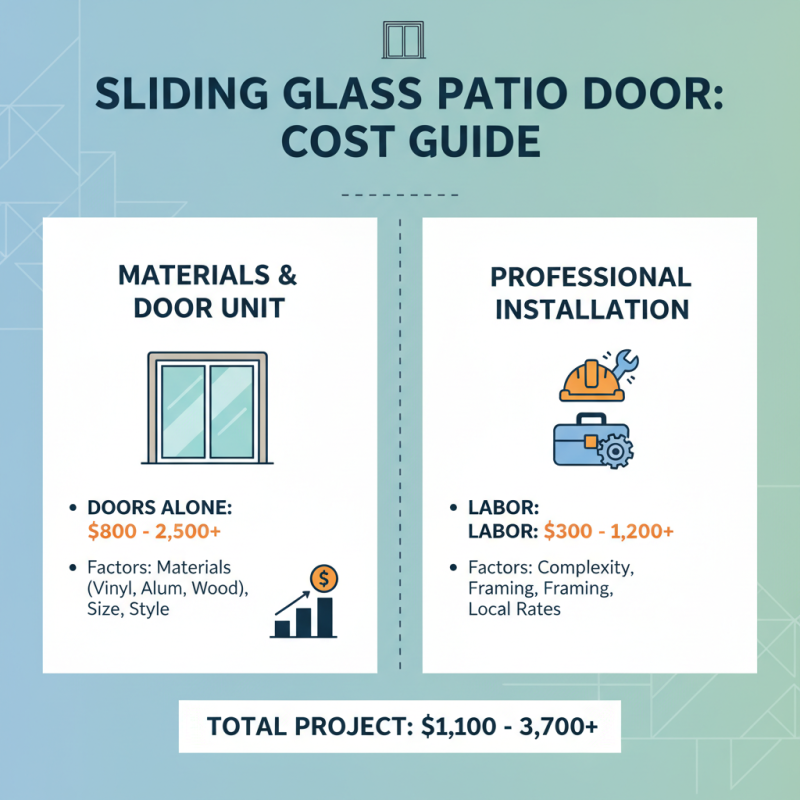
When budgeting for sliding glass patio door installation, it’s essential to consider various costs. The price can vary widely based on materials, size, and installation complexity. On average, homeowners may spend between $800 and $2,500 for the doors alone. This figure does not include installation, which can add another $300 to $1,200, depending on local labor rates.
Don’t forget to account for potential additional costs. Preparing the frame, removing old doors, or repairing damaged areas may require extra funds. Choosing high-quality materials can save money long-term but might strain your immediate budget. You might want to measure the space accurately. An incorrect measurement could lead to costly mistakes or delays.
Consider your long-term investment. Are you ready for future repairs? A cheaper door may need more maintenance. Weigh the options carefully and reflect on their implications. Planning for these expenses helps avoid surprises later. Remember, it’s not just about the initial costs, but overall value and performance.