How to Choose the Best Windows and Doors for Your Home?
Choosing the right windows and doors for your home is essential. Expert John Smith, a well-known figure in the windows and doors industry, once said, “Quality windows and doors define a home’s character.” This statement holds true, as these elements provide both functionality and aesthetic appeal.
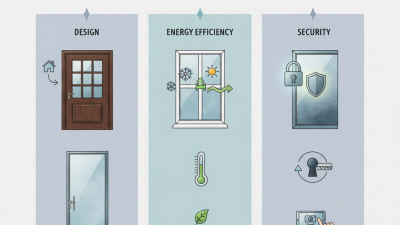
The variety of options available can be overwhelming. From styles to materials, each choice impacts energy efficiency and security. It's important to think about how each decision aligns with your home’s architectural style. Consider the colors, textures, and shapes that will complement your space.
Moreover, every home is unique. Your needs may vary from your neighbor's. Installing beautiful windows and doors could lead to unforeseen maintenance challenges. Reflecting on these factors is crucial. It helps ensure that your investment not only looks good but stands up to the test of time. Ultimately, the right windows and doors can elevate your home while providing lasting benefits.
Understanding Your Home's Architectural Style for Windows and Doors
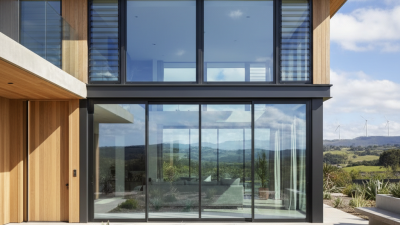
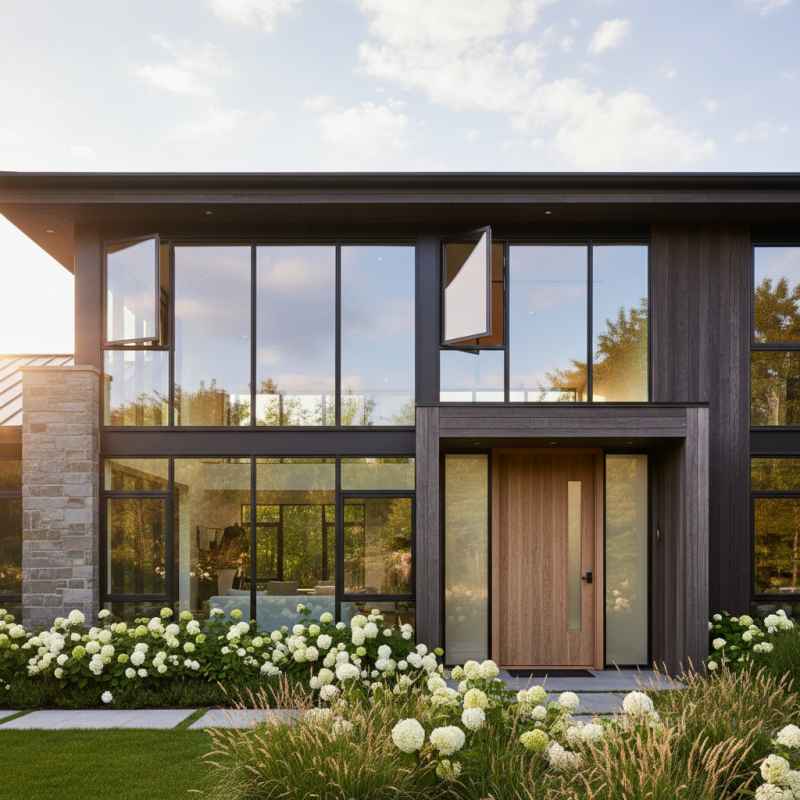
Understanding your home's architectural style is crucial when choosing windows and doors. Each style conveys a unique character. For example, Victorian homes often feature ornate designs and arched windows. In contrast, modern homes lean towards sleek lines and large glass panels. Matching the window and door design to your home's style enhances its overall aesthetic.
Pay attention to the materials you select. Wood frames provide warmth but may require more maintenance. Vinyl options are low-maintenance but can look less authentic. Think about the color too. Brightly colored doors might suit a contemporary house, while muted tones may be better for traditional designs. This can be tricky; sometimes, the best choice is not immediately obvious.
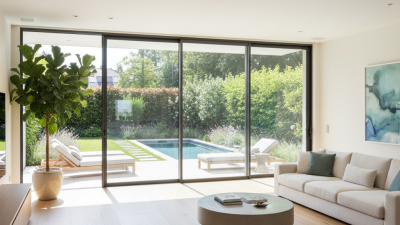
Reflect on how natural light interacts with your space. Larger windows can create a more open feel, but they may overshadow your home’s style. Consider how the placement affects energy efficiency as well. This aspect is often overlooked. Balancing aesthetics, functionality, and energy needs can be challenging, but it’s worth taking the time to find the right fit. Each decision shapes your home's personality.
Choosing the Best Windows and Doors Based on Architectural Styles
Identifying Energy Efficiency Ratings in Windows and Doors
When choosing windows and doors, energy efficiency is critical. Look for ratings like the Energy Star label. This label shows that the product meets energy-saving standards. Understanding these ratings can help you make informed decisions.
Different materials offer various insulation properties. For instance, vinyl windows often provide better insulation compared to wood. However, wood can enhance aesthetics and charm. Weighing these factors is important, yet it can be confusing. What looks good may not always be the most efficient.
Check for the U-factor rating, which measures insulation effectiveness. A lower U-factor indicates better insulation. Additionally, consider the Solar Heat Gain Coefficient (SHGC). This rating helps you understand how much heat enters through the glass. Sometimes, you might be tempted by design over efficiency. But long-term savings on energy bills can be significant. Make sure to balance style with functionality.
Selecting the Right Materials: Wood, Vinyl, or Aluminum
When choosing windows and doors, the material plays a crucial role. Each option—wood, vinyl, or aluminum—offers unique benefits and drawbacks. A recent industry report highlights that wood frames can provide excellent insulation but require regular maintenance to prevent rot. This upkeep often deters homeowners who prefer lower maintenance options.
Vinyl has become increasingly popular due to its cost-effectiveness and energy efficiency. According to studies, vinyl windows can reduce energy costs by up to 25%. However, some may find the aesthetic appeal lacking compared to wood. Choices can often feel limited in design and color. This can make some homeowners hesitant to fully commit.
Aluminum windows are known for their modern look and durability. They resist corrosion and are often chosen for contemporary homes. However, they have lower insulating properties compared to wood and vinyl, which can lead to higher energy bills. Buyers need to weigh these factors carefully. Balancing appearance, efficiency, and maintenance requirements is essential in making a wise choice.
How to Choose the Best Windows and Doors for Your Home?
| Material |
Durability |
Energy Efficiency |
Maintenance |
Cost Range |
| Wood |
Moderate to High |
Good |
High |
$150 - $500 |
| Vinyl |
High |
Very Good |
Low |
$100 - $400 |
| Aluminum |
Moderate |
Good |
Moderate |
$200 - $600 |
Assessing Security Features in Windows and Doors
When choosing windows and doors, security features should be a top priority. Look for materials that resist forced entry. Steel and reinforced frames are excellent choices. Well-fitted windows and doors reduce vulnerabilities. Ensure they close tightly and seal properly.
Tips for enhancing security include installing multi-point locking systems. These provide better protection than traditional locks. Investing in impact-resistant glass can also deter break-ins. Consider security film on windows for added strength.
Visualize your home’s access points. Which areas are most vulnerable? Pay special attention to sliding doors and basement windows. Make sure all entry points have adequate lighting. Motion-sensor lights can deter intruders effectively. Regularly inspect the locks and frames. Wear and tear can create gaps. Address these issues quickly to maintain security.
Considering Installation Techniques and Professional Help Options
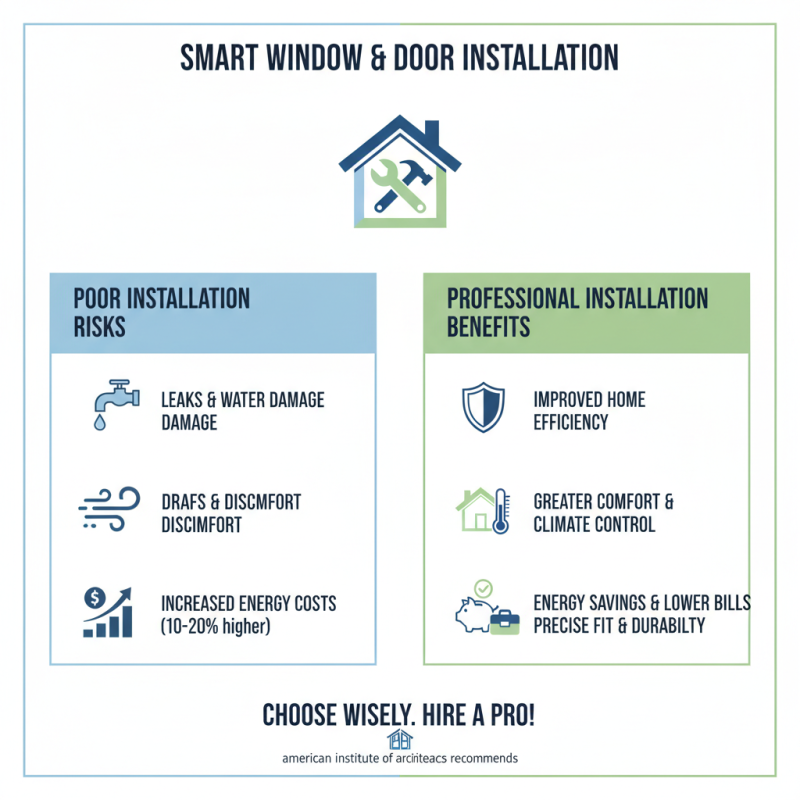
Choosing the right installation techniques for windows and doors is crucial. According to the American Institute of Architects, a poor installation can lead to leaks and drafts, which may increase energy costs by 10% to 20%. Hiring a professional installer ensures that the products are fitted correctly. They have the experience and tools required for precise adjustments.
For those opting to install windows and doors themselves, it’s essential to understand the nuances of the process. DIY installation might save money, but it can be risky. Misalignments can occur easily. Moreover, improper sealing may lead to moisture damage and mold growth, a costly problem down the line. Statistics reveal that homes with faulty installations can experience a 25% decrease in energy efficiency.
In some cases, professional help may seem expensive. However, it’s an investment. Industry reports indicate that nearly 30% of DIY installations require professional correction. Assessing your skill level is essential. Reflect on your experience and the complexity of the project. Sometimes, it’s wiser to prioritize long-term benefits over short-term savings.